The Art of Equilibrium: Just How Interior Design and Home Engineer Collaborate for Stunning Results
In the realm of home layout, striking an equilibrium between appearances and functionality is no tiny feat. This delicate balance is accomplished via the unified collaboration between interior developers and engineers, each bringing their one-of-a-kind experience to the table. The result? Spaces that are not only visually magnificent but also incredibly habitable. Nevertheless, this best mix is not always simple to attain. Keep with us as we discover the intricacies of this collaborative procedure and its transformative impact on home design.
Understanding the Core Differences In Between Interior Decoration and Home Architecture
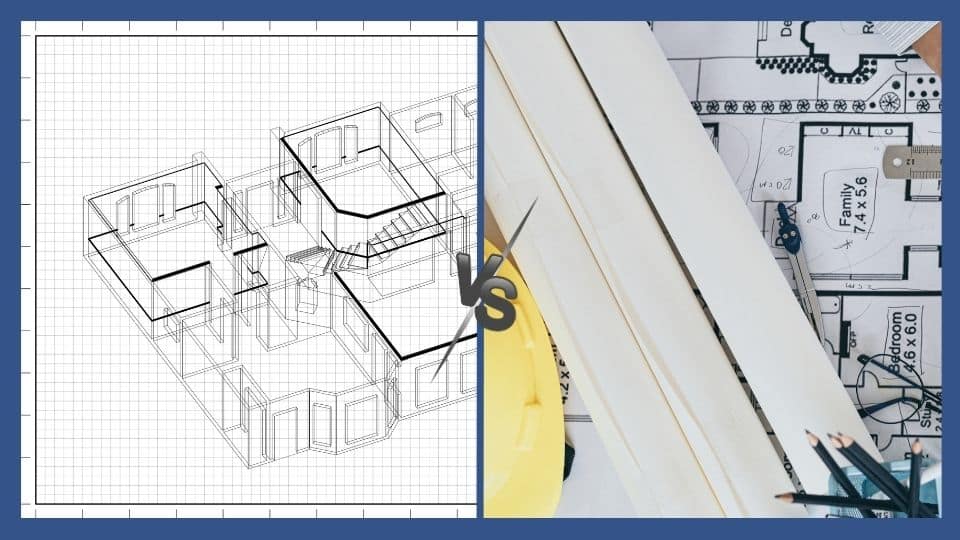
While both indoor design and home architecture play vital functions in creating aesthetically pleasing and useful rooms, they are naturally various self-controls. It deals with the 'bones' of the framework, functioning with spatial dimensions, load-bearing walls, and roofing system layouts. On the various other hand, interior style is a lot more worried with improving the sensory and visual experience within that structure.
The Harmony In Between Home Architecture and Interior Layout
The synergy between home design and Interior Design lies in a shared vision of design and the improvement of useful appearances. When these 2 areas line up harmoniously, they can transform a space from regular to extraordinary. This partnership calls for a much deeper understanding of each technique's concepts and the ability to create a natural, aesthetically pleasing atmosphere.
Unifying Style Vision
Merging the vision for home style and Interior Design can develop an unified space that is both practical and visually pleasing. The equilibrium starts with an incorporated way of thinking; engineers and indoor designers collaborate, each bringing their competence. This unison of ideas forms the style vision, a blueprint that overviews the project. This shared vision is important for uniformity throughout the home, making sure a fluid change from exterior design to indoor areas. It promotes a collaborating method where architectural components enhance Interior Design parts and vice versa. The result is a natural home that mirrors the home owner's taste, way of living, and individuality. Thus, unifying the style vision is crucial in blending architecture and Interior Design for spectacular outcomes.
Enhancing Practical Visual Appeals
Exactly how does the synergy between home architecture and interior design enhance useful aesthetic appeals? Designers lay the groundwork with their structural design, guaranteeing that the space is efficient and sensible. An architect could design a home with high ceilings and big windows.
Significance of Collaboration in Creating Balanced Spaces
The cooperation between interior developers and architects is crucial in producing balanced areas. It brings harmony in between design and style, offering birth to areas that are not just visually pleasing but likewise functional. Checking out successful collective techniques can provide insights right into exactly how this harmony can be successfully achieved.
Balancing Layout and Design
Balance, a necessary facet of both indoor layout and style, can just really be achieved when these two areas job in harmony. This joint process results in a natural, well balanced style where every element adds and has a function to the overall aesthetic. Integrating style and design is not just about creating stunning areas, however about crafting spaces that function effortlessly for their residents.
Effective Collective Techniques
Instance Researches: Successful Assimilation of Style and Architecture
Analyzing several instance studies, it emerges how the successful combination of Interior Design and style can transform a room. The Glass Home in Connecticut, renowned for its minimalistic elegance, is one such instance. Architect Philip Johnson and indoor developer Mies van der Rohe worked together to develop a harmonious equilibrium between the inside and the framework, resulting in a seamless circulation from the exterior landscape to the internal living quarters. Another exemplar is the Fallingwater Residence in Visit This Link Pennsylvania. Designer Frank Lloyd Wright and indoor designer Edgar Kaufmann Jr.'s collaborative efforts cause a stunningly special residence that blends with its natural environments. These study underline the profound effect of an effective design and design cooperation.
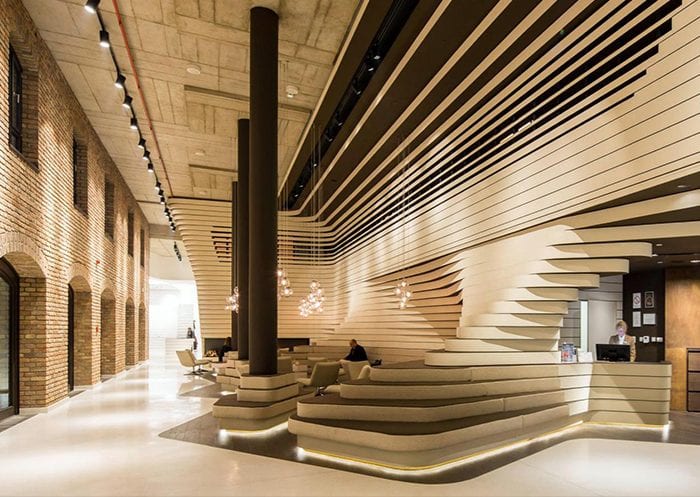
Getting Over Difficulties in Design and Style Partnership
Despite the obvious benefits of a successful collaboration in between Interior Design and style, it is not without its difficulties. Interaction problems can arise, as both celebrations may utilize different terminologies, understandings, and strategies in their job. This can result in misconceptions and delays in job conclusion. One more significant challenge is the balancing act of visual appeals and capability. Architects might prioritize structural honesty and safety, while developers concentrate on comfort and style. The assimilation of these objectives can be complicated. In addition, budget and timeline restrictions often add stress, potentially triggering rifts in the cooperation. Efficient communication, common understanding, and concession are crucial to overcome these difficulties and accomplish a unified and effective collaboration.

Future Patterns: The Evolving Connection In Between Home Architects and Interior Designers
As the globe of home layout proceeds to advance, so does the partnership between engineers and indoor developers. Alternatively, indoor developers are embracing technological aspects, influencing overall format and capability. The future assures a much more cohesive, ingenious, and adaptive additional resources approach to home layout, as engineers and developers proceed to obscure the lines, promoting a connection that truly embodies the art of equilibrium.
Final thought
The art of equilibrium in home design is attained with the unified partnership in between interior developers and architects. In spite of challenges, this partnership cultivates growth and technology in design.
While both interior layout and home architecture play essential functions in developing aesthetically pleasing and useful spaces, they are inherently various disciplines.The synergy in between home style and interior style exists in a shared vision of style and the improvement of functional appearances.Combining the vision for home design and indoor design can produce an unified living space that is both practical and visually pleasing. Hence, unifying the design vision is important in mixing style and indoor design for sensational outcomes.
Just how does the synergy between home design and interior style boost useful visual appeals? (Winchester architect)